


How Roulette Payouts Work in Practice: A Clear Look at Real Returns

The late arvo light on a regional New South Wales club floor paints the felt in a particular gold, and the wheel keeps turning long after the last pie has been cleared away. That steady rhythm is what separates a game of chance from a game of maths, especially when you start asking how roulette payouts work in a real venue rather than a textbook. I’ve built growth around relationship-led businesses from Bangkok to Sydney, and the pattern is the same: people don’t hand over cash on a promise, they hand it over when the numbers add up in a way they can actually see. This piece keeps the focus square where it belongs – on returns, conditions, and the trade-offs that sit around them.
The Maths Behind Every Spin
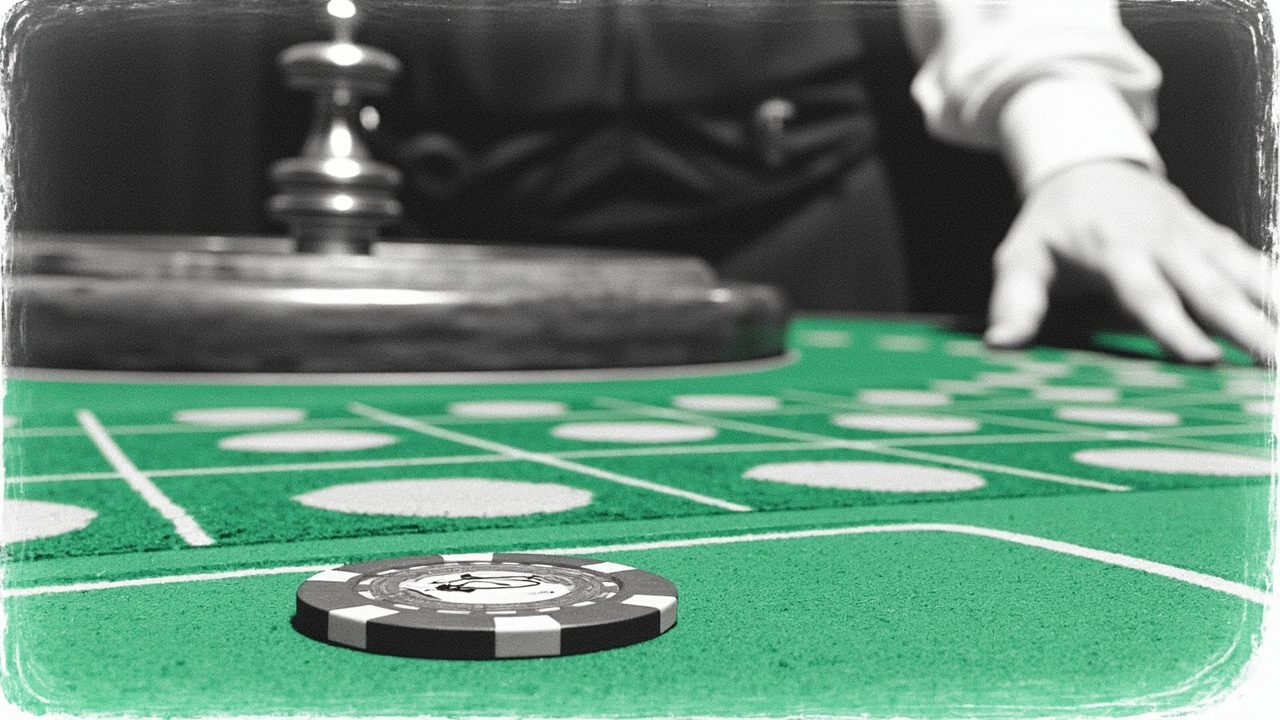
A roulette table is a quiet ledger before it’s anything else, and the payout you see on the board is set by the number of pockets that share the wheel. A straight-up bet on a single number pays 35 to 1 because the wheel has 37 pockets in European play and 38 in American, so the house edge sits at 2.7 per cent or 5.26 per cent depending on which layout you’re sitting at. Even-money bets like red or black, odd or even, and high or low pay 1 to 1, and that’s the whole sentence right there – no hidden multiplier, no surprise. When you run the numbers on a dozen or a column, you’re looking at 2 to 1, and the edge doesn’t move just because the chip stack looks bigger. I’ve watched teams in Southeast Asia build luxury experiences around this exact clarity, because a guest who understands the return is a guest who stays longer and asks better questions.
Where the maths gets practical is in the way a table structures its special calls and side bets, because those are often where the edge creeps in without a loud announcement. A neighbour bet or a section bet can feel like a shortcut to a bigger win, but the payout rarely changes enough to offset the extra coverage you’re buying. The same discipline I’ve applied to relationship-led growth in luxury hospitality applies here: name the return first, then decide whether the experience is worth the cost. For a closer look at how tables present their odds side by side, doghousemegawaysdemo.net lays out a few payout comparisons that help you read the board before you commit a chip.
What the Board Actually Pays
Reading the board well means knowing which bets are paid the same way across most tables and which ones shift depending on the wheel in front of you. A split bet on two numbers pays 17 to 1, a street on three numbers pays 11 to 1, and a corner on four numbers pays 8 to 1 – these are the standard lines you’ll see on a European layout, and they don’t change just because the table cloth is a different shade. A line bet across six numbers pays 5 to 1, and that’s the point where the coverage starts to feel broad enough that people sometimes forget the edge is still sitting in the same place. The real value in knowing these numbers is that you can size your bet to the return instead of sizing it to the adrenaline. doghousemegawaysdemo.net
The board also carries a few special names that don’t change the payout, only the way the bet is placed, and that’s where a lot of confusion slips in. A trio on the first three numbers pays the same as a street, and a basket on the zero row pays differently on an American wheel because the extra pocket changes the odds. I’ve seen operators in regional New South Wales keep this simple on purpose, because a table that explains its own payouts clearly tends to run smoother and hold attention longer. As Emily Patel, Payments Strategy Director at Outback Gaming Research, puts it: “The clearest payout tables are the ones that don’t ask you to do mental arithmetic mid-spin – they just state the return and let the edge speak for itself.”
Conditions, Limits, and the Trade-offs
The payout is only half the story, because the conditions around a table often decide whether a return is actually useful once you factor in the way a venue or a platform handles chips, limits, and contribution. A table with a lower minimum can look generous until you realise the bet sizing is tight enough that the edge has more spins to work through, and a higher-limit table can feel open until you notice the payout structure hasn’t changed at all. I’ve run growth around luxury experiences where the price was never the surprise – the surprise was what came with the price, and the same holds here. You’re not just buying a return, you’re buying the terms that sit around it.
A few practical points are worth keeping in front of you before you settle into a seat:
- Check the wheel type first, because a European layout and an American layout pay the same on most lines but carry different edges.
- Read the table limits on both ends, since a wide range doesn’t always mean the contribution or the payout terms are the same at every level.
- Note how the table treats special bets, because neighbour and section calls can look attractive without changing the underlying return.
- Ask how the table handles chip value and colour-ups, since a slow table can turn a clear payout into a long wait.
Blake Walker, Managing Partner at Wattle Gaming Partners, frames it plainly: “A payout only matters if the conditions around it let you actually use it, and that’s where a lot of players get tripped up by limits they didn’t notice until the spin was already done.”
Bonus Mechanics and How They Touch Returns
A welcome offer or a recurring promotion can change how a session feels, but it rarely changes the payout on the wheel itself, and that distinction matters more than most people give it credit for. The offer structure usually sits outside the table, with wagering requirements, eligibility rules, and contribution rates that decide how much of a win counts toward clearing the terms. A bonus that says it’s for table play might still weight roulette differently from other games, and that’s the kind of detail that turns a tidy return into a slower path out. I’ve built campaigns in Southeast Asia around the same idea – state the mechanics early, because clarity is what keeps a relationship from turning into a cleanup job.
The recurring promos and the weekly drops often look softer than the welcome offer, but they can be more useful if the contribution and the limits are written plainly. A site that pays in AUD and keeps the currency consistent through registration, mobile play, and support tends to make the numbers easier to read, and that’s a real advantage when you’re tracking how a return moves through an offer. Archie Graham, Independent iGaming Expert at the Pacific Player Protection Institute, warns against the common shortcut: “A bonus can make a session feel lighter, but it doesn’t rewrite the payout on the wheel, and the wagering terms are usually where the real cost hides.”
The way a loyalty programme ties into this is usually modest rather than dramatic, because points and tiers tend to sit around the edges of play instead of rewriting the table maths. A table that pays 35 to 1 on a single number still pays 35 to 1, and the loyalty layer is mostly about how the rest of the experience is built around that number. If you’re comparing how a table presents its returns against how a demo or a practice layout lays out its own odds, doghousemegawaysdemo.net can be a handy reference point for reading the board before you put down real chips.
A good table experience is the one where the payout is plain, the limits are visible, and the terms around any offer are written in a way you can actually use. That’s the kind of setup that lets you make a call instead of just reacting to the wheel, and it’s the same standard I’ve always used when building something that’s meant to last beyond a single session. The return is only useful if you can read it, and once you can read it, the rest of the table starts to make sense.